Mumbai (Maharashtra) [India], December 25: Not every Christmas release arrives with tinsel and nostalgia. Some come carrying ambition, industry anxiety, and the quiet pressure of representation. Mission Santa: Yoyo To The Rescue is one such film — an Indian animated feature that doesn’t just want to entertain children for 90 minutes, but wants to make a point: Indian animation deserves a theatrical seat at the global holiday table.
Let’s start with the obvious irony. Christmas, traditionally dominated by Hollywood animation juggernauts, is now hosting an Indian animated Santa who doesn’t look apologetic about existing. Mission Santa arrives with a nationwide theatrical rollout, a global release plan, and the kind of confidence Indian animation has historically been accused of lacking.
That alone makes it worth discussing — even before we get to the film itself.
The Film And Its Intent (Because Intent Matters Here)
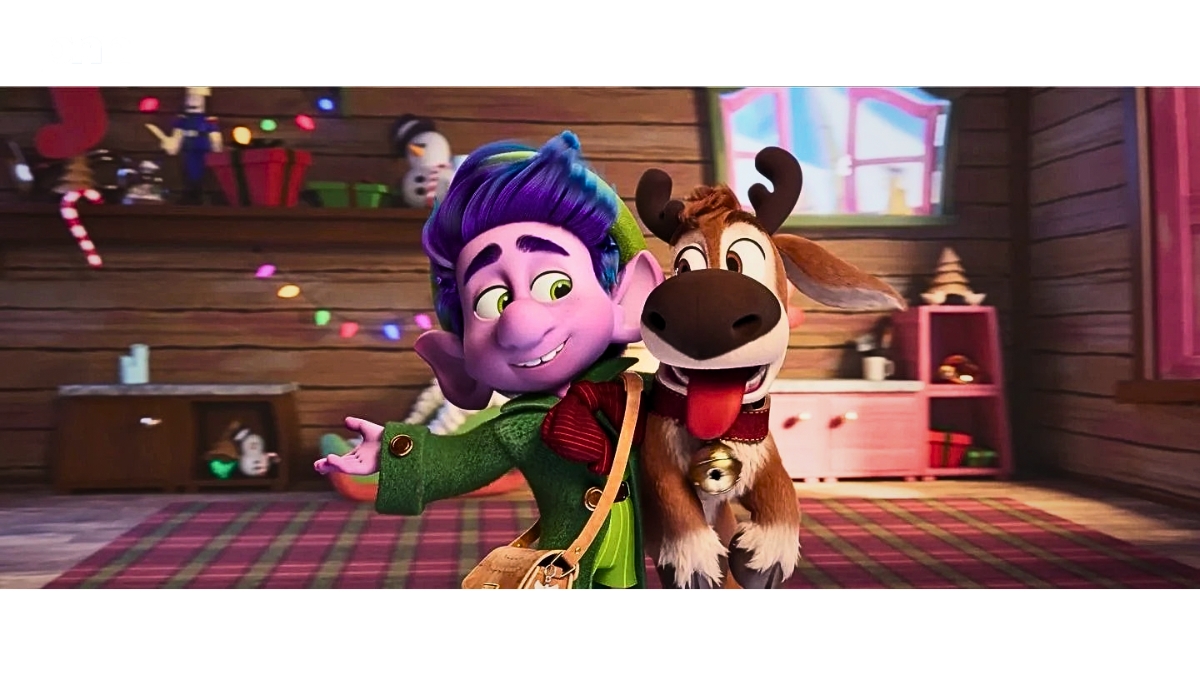
Mission Santa: Yoyo To The Rescue is positioned as a family-friendly animated adventure revolving around Santa Claus, a mischievous yet courageous child protagonist named Yoyo, and a rescue mission that blends festive cheer with action-driven storytelling.
On the surface, it’s a classic holiday setup. Underneath, it’s something more strategic.
This film is not trying to reinvent animation. It’s trying to normalise Indian animated cinema as theatrical-worthy, especially during peak seasons when studios usually play safe with imported content.
And that’s a risk.
The Bigger Backstory: Why This Film Exists Now
Indian animation has always had talent. What it hasn’t consistently had is distribution faith.
For years, animated content was pushed toward television, digital platforms, or relegated to “kids-only” labels that quietly discouraged theatrical investment. Mission Santa challenges that mindset head-on by opting for:
-
A wide theatrical release across India, including Karnataka and southern markets
-
A global rollout timed to December 25, aligning with international holiday viewing habits
-
A deliberate positioning as a cinematic experience, not just a children’s distraction
This isn’t accidental timing. It’s an industry statement disguised as a Christmas film.
The Budget, The Scale, And The Reality Check
According to industry tracking and production disclosures, Mission Santa has been mounted on an estimated budget of ₹20–25 crore, which includes animation production, voice performances, music, and a multi-market distribution push.
For Indian animation, that’s not small change.
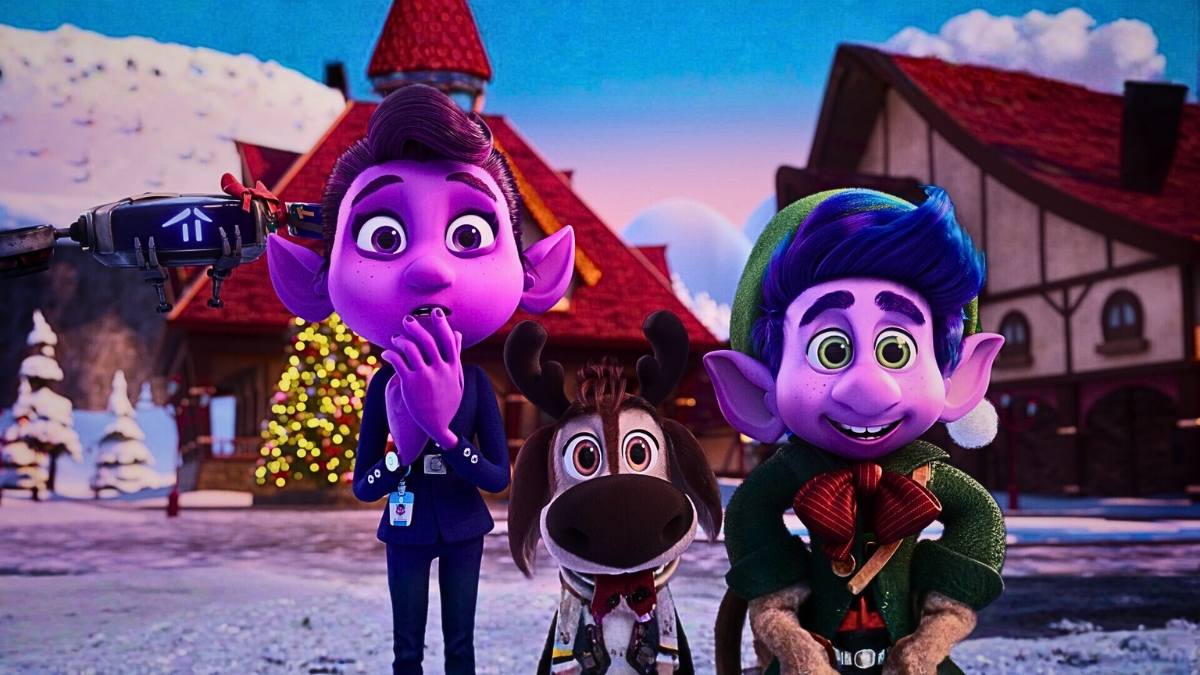
The visuals, as seen in trailers and promotional material, suggest a polished, globally-influenced animation style — not cutting-edge Pixar-level, but far from amateur. The character designs aim for universality rather than hyper-localisation, which explains the film’s confidence in overseas markets.
But ambition always comes with consequences.
The Positives: Where Mission Santa Gets It Right
Let’s be honest — there’s a lot this film does well.
Pros
-
A confident theatrical rollout instead of a quiet digital dump
-
Clear understanding of its target audience: families, not niche cinephiles
-
Festive timing that naturally boosts footfall
-
Clean storytelling without overstimulation or tonal confusion
-
A production quality that signals growth, not compromise
Industry insiders have already pointed out that Mission Santa is being treated as a benchmark release — a test case for whether Indian animated films can survive theatrical economics without leaning on nostalgia IPs.
That alone gives it weight.
The Negatives: Where The Sleigh Wobbles
Now for the inconvenient truths — because pretending otherwise would be dishonest.
Cons
-
Story beats feel familiar, occasionally predictable
-
Emotional depth is limited by runtime and genre constraints
-
Competing with Hollywood animation during Christmas is never a fair fight
-
Adults may find the narrative too safe, too clean
There’s also the unavoidable comparison problem. When audiences walk into animated Christmas films, they subconsciously compare scale, texture, and emotional resonance with global giants. Mission Santa doesn’t lose badly — but it doesn’t dominate either.
And domination, unfortunately, is what box office math demands.
Early Audience Response And Industry Buzz
Early reactions from family audiences have been warm but measured. Parents appreciate the wholesome tone and lack of sensory overload. Children respond well to the adventure format and central characters.
Industry chatter, however, is where things get interesting.
Distributors are watching this release closely — not for record-breaking numbers, but for sustainability metrics:
-
Weekend occupancy consistency
-
Regional performance differences
-
Repeat viewing potential
-
Merchandising and school-holiday tie-ins
This is not just a film release. It’s a data experiment.

Box Office Expectations (Without Sugarcoating)
While it’s still early to declare final numbers, trade projections suggest:
-
Opening weekend collections: Modest, driven by family footfall
-
Christmas Day spike: Expected due to holiday timing
-
Break-even probability: Moderate to good, depending on overseas performance and holiday legs
This is not a film designed to explode on Day 1. It’s built to accumulate goodwill and longevity, especially if schools remain closed and word-of-mouth stays positive.
Why The Sarcasm Is Necessary
Here’s the quiet irony: the same industry that complains about lack of original Indian animation rarely shows up to support it theatrically.
Mission Santa is not flawless. But it is earnest. And in an ecosystem addicted to risk-free imports, earnestness is rebellion.
If the film underperforms, it won’t just be a box office story — it will be cited as a “lesson” against future animated investments. If it holds steady, it becomes proof that Indian animation doesn’t need permission anymore.
That’s a heavy burden for Santa to carry.
Final Thought
Mission Santa: Yoyo To The Rescue is not here to overthrow the animation hierarchy. It’s here to stake a claim.
It says Indian animation can be festive without being frivolous, ambitious without being delusional, and theatrical without apology.
Whether audiences reward that courage remains to be seen.
But for once, Santa isn’t delivering gifts.
He’s delivering a question to the industry:
If not now, then when?
PNN Entertainment